Article: The Science of Peptides: How to Choose and Use a Peptide Serum
The Science of Peptides: How to Choose and Use a Peptide Serum
What Are Peptides — and Why Does Your Skin Need Them?
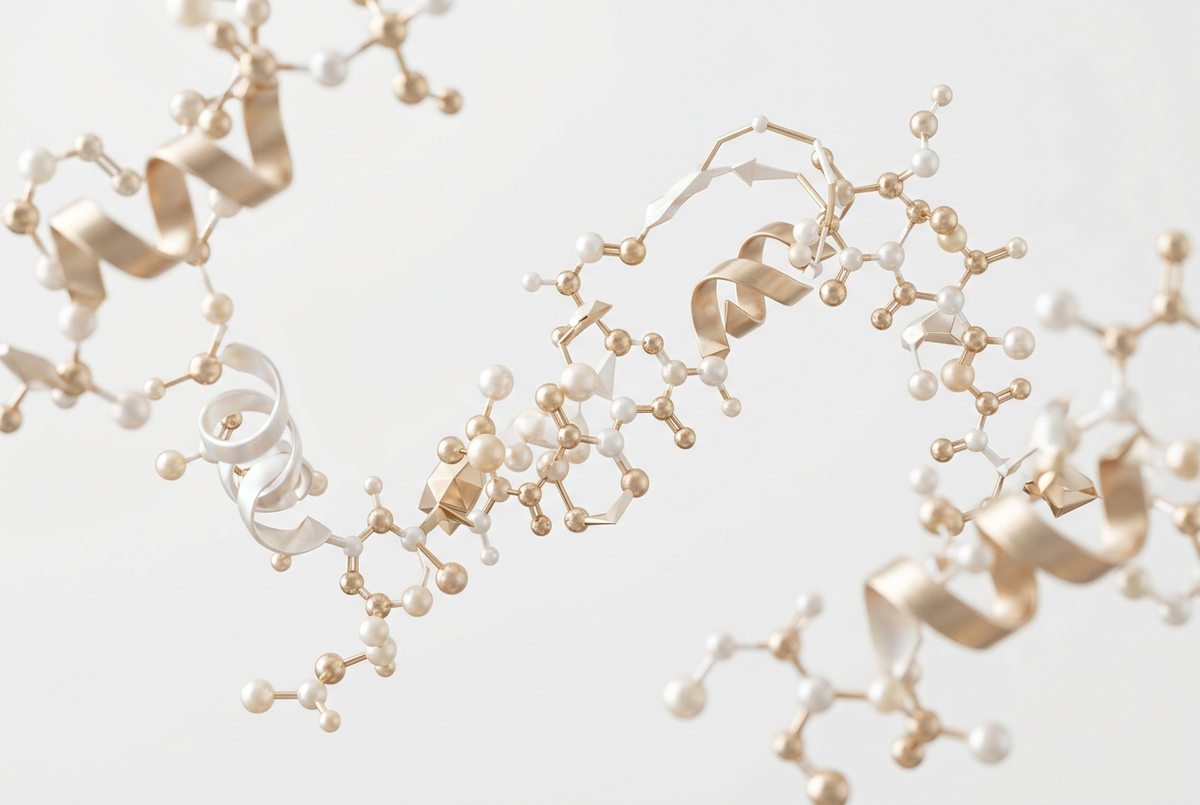
Peptides are short chains of amino acids, the building blocks of proteins such as collagen, elastin, and keratin. As we age, the skin's natural production of these structural proteins slows, leading to fine lines, loss of firmness, and a duller complexion. Topical peptides work by signalling the skin to produce more collagen, helping to visibly restore what time gradually takes away.
Unlike many trending ingredients, peptides have decades of clinical research behind them. They are well tolerated by most skin types — including sensitive skin — and can be used morning and evening without the irritation risk associated with actives such as retinol or acids.
The Different Types of Peptide and What They Do
Not all peptides are equal. Understanding the main categories helps you choose a formula that matches your skin concern:
- Signal peptides — stimulate collagen and elastin synthesis. Ideal for targeting fine lines and loss of firmness. Palmitoyl tripeptide-1 and palmitoyl tetrapeptide-7 (found in Matrixyl formulas) are among the most studied.
- Carrier peptides — deliver trace minerals such as copper to the skin to support wound healing and collagen production. Copper peptides (GHK-Cu) are the most well-known example.
- Neurotransmitter-inhibiting peptides — sometimes called 'Botox-like' peptides, these temporarily relax facial muscle contractions to soften expression lines. Argireline (acetyl hexapeptide-3) is the most widely used.
- Enzyme-inhibiting peptides — slow the breakdown of collagen by inhibiting enzymes such as matrix metalloproteinases (MMPs).
A high-performance formula will often combine two or more peptide types for a multi-pathway approach to visible ageing.
What to Look for in a Peptide Serum
When evaluating a peptide serum, consider the following:
- Concentration and delivery — peptides need to penetrate the skin barrier to be effective. Look for formulas that use encapsulation technology or a low-molecular-weight delivery system.
- Supporting ingredients — peptides work best alongside hyaluronic acid (for hydration), niacinamide (for barrier support), and antioxidants (to protect against free radical damage).
- pH compatibility — peptides are generally stable across a wide pH range, making them easy to layer with other actives.
- Packaging — airless pumps or opaque packaging protect peptide integrity from light and oxidation.
How to Incorporate a Peptide Serum Into Your Routine
Peptide serums are one of the most versatile products in a clinical skincare routine. Follow these steps for best results:
- Cleanse — start with a gentle, pH-balanced cleanser to remove impurities without stripping the skin barrier.
- Tone or prep — apply any hydrating toner or essence to damp skin.
- Apply your peptide serum — press 3–4 drops into clean skin, focusing on areas of concern such as the forehead, eye contour, and nasolabial folds. Allow to absorb for 60 seconds.
- Layer additional actives if needed — peptides play well with most ingredients. If you use vitamin C in the morning, apply it before your peptide serum. If you use retinol at night, apply it after.
- Moisturise — seal in the serum with a nourishing moisturiser to support barrier function.
- SPF (morning only) — always finish your morning routine with a broad-spectrum SPF 30 or higher. Peptides support collagen, but UV exposure remains the primary driver of premature skin ageing.
Can You Use Peptides With Retinol?
Yes — and this is one of the most effective combinations in anti-ageing skincare. Retinol accelerates cell turnover and boosts collagen production via a different pathway to peptides, making the two highly complementary. Apply retinol first on dry skin, wait for it to absorb, then layer your peptide serum on top. If you are new to retinol, introduce it gradually to avoid irritation before adding additional actives.
How Long Before You See Results?
Peptides are not an overnight fix — but they are a long-term investment in your skin's structure. Most clinical studies show measurable improvements in skin firmness, hydration, and fine line depth after 4–12 weeks of consistent use. Patience and consistency are key.
Our Recommendation
For a clinically formulated peptide serum that combines multiple peptide pathways with advanced delivery technology, explore the Liquid Peptides Advanced MP — one of our best-selling professional-grade serums. For a broader look at our anti-ageing range, visit our Anti-Ageing Skincare collection.
If you have questions about which peptide serum is right for your skin type or concern, our team is here to help. Get in touch for a personalised recommendation.

Written by Terry Winward-Wright